Menopause Symptoms: Understanding What Your Body May Be Trying to Tell You
Menopause Symptoms: Understanding What Your Body May Be Trying to Tell You
By Dr Jahnavi Veeramasuneni , Harmony Lifestyle Clinic
Menopause is a natural stage in a woman’s life, but that does not mean it is always easy. For many women, the symptoms can feel confusing, frustrating, and sometimes frightening — especially when they seem to appear out of nowhere.
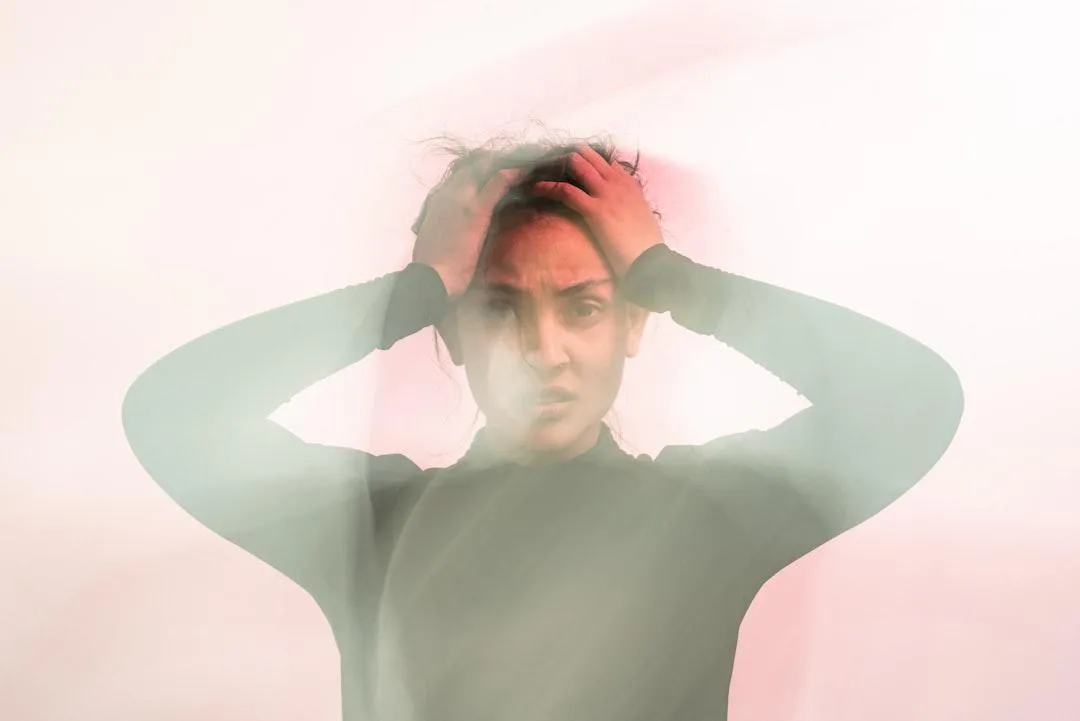
One week you may feel like yourself. The next, you may be waking at 3am drenched in sweat, feeling anxious for no clear reason, forgetting simple words, struggling with joint aches, or wondering why your energy, confidence, mood, sleep, skin, weight, and sex life all seem to have changed at the same time.
The important message I want every woman to hear is this:you are not imagining it, you are not failing, and you are not alone.
Menopause and perimenopause can affect the whole body because oestrogen receptors are present in many tissues, including the brain, bones, skin, bladder, vagina, heart, joints, and muscles. This is why symptoms are not limited to periods or hot flushes. They can be physical, emotional, cognitive, sexual, and deeply personal.
The NHS describes common menopause and perimenopause symptoms as including changes to periods, hot flushes, night sweats, low mood, anxiety, mood swings, low self-esteem, memory problems, and concentration difficulties often described as “brain fog.” (nhs.uk) NICE also recognises the importance of identifying and managing menopause symptoms consistently so women receive the right information and support. (NICE)
What is the difference between perimenopause and menopause?
Perimenopauseis the transition phase leading up to menopause. During this time, hormone levels fluctuate, particularly oestrogen and progesterone. These fluctuations can cause symptoms even while you are still having periods.
Your periods may become heavier, lighter, shorter, longer, closer together, further apart, or more unpredictable. Some women start with emotional symptoms, sleep problems, anxiety, headaches, or fatigue before their periods noticeably change.
Menopauseis confirmed when you have not had a period for 12 consecutive months, usually without another medical explanation. In the UK, menopause commonly happens between the ages of 45 and 55, although it can occur earlier or later. Cambridge University Hospitals describes menopause as the stopping of menstrual periods for 12 months, usually due to decreasing oestrogen levels. (Cambridge University Hospitals)
1. Changes in periods
For many women, the first sign of perimenopause is a change in their menstrual cycle. Periods may become irregular, heavier, lighter, more painful, or more unpredictable.
Some women experience flooding, clots, or shorter cycles. Others may go months without a period and then suddenly bleed again. Although irregular bleeding can be part of perimenopause, it is important to seek medical advice if bleeding is very heavy, occurs after sex, happens between periods, or returns after you have already gone 12 months without a period.
2. Hot flushes and night sweats
Hot flushes are one of the most recognised menopause symptoms. They can feel like a sudden wave of heat spreading through the face, neck, chest, or whole body. Some women feel flushed, sweaty, dizzy, or embarrassed when they happen.
Night sweats can be particularly disruptive. You may wake up soaked, need to change clothes, turn the pillow over, or struggle to get back to sleep. Over time, broken sleep can affect mood, concentration, energy, and resilience.
3. Sleep disturbance
Sleep problems are extremely common during perimenopause and menopause. Some women struggle to fall asleep. Others wake in the early hours with racing thoughts, anxiety, palpitations, or overheating.
Poor sleep can create a vicious cycle. When you are exhausted, you may feel more emotional, less patient, more forgetful, and less able to cope with daily pressures. Many women tell me, “I just don’t feel like myself anymore.” Often, sleep disruption is a major part of that picture.
4. Mood changes, anxiety, and irritability
Menopause can affect mental wellbeing. Women may experience anxiety, low mood, irritability, tearfulness, panic feelings, loss of confidence, or a sense of being overwhelmed.
This can be especially distressing for women who have always coped well. You may look at your life and think, “Nothing major has changed, so why do I feel like this?” The answer may be hormonal fluctuation, especially during perimenopause.
This does not mean every emotional symptom is “just menopause.” Depression, anxiety disorders, stress, trauma, thyroid problems, anaemia, and other medical issues can also contribute. But menopause should be considered as part of the assessment, particularly for women in their 40s and 50s.
5. Brain fog and memory problems
Many women describe brain fog as one of the most unsettling symptoms. You may forget names, lose your train of thought, struggle to find words, walk into a room and forget why, or feel less sharp at work.
This can be frightening, especially for professional women, business owners, carers, and women juggling many responsibilities. Brain fog does not mean you are losing your intelligence. It is a recognised symptom of perimenopause and menopause, and it often improves with the right support.
6. Vaginal dryness, discomfort, and pain during sex
Falling oestrogen levels can affect the vaginal and vulval tissues. This can cause dryness, soreness, itching, burning, discomfort during sex, and recurrent irritation. Some women also experience reduced arousal or loss of libido.
This area is often under-discussed because many women feel embarrassed. But these symptoms are common, treatable, and important. Vaginal and urinary symptoms may continue or worsen after menopause if not addressed.
7. Bladder symptoms and recurrent urine infections
Menopause can affect the bladder and urinary tract. You may notice urgency, needing to pass urine more often, waking at night to pass urine, leakage, or recurrent urine infections.
These symptoms can affect confidence, intimacy, exercise, travel, and social life. Many women silently adapt their lives around bladder symptoms, but help is available.
8. Joint aches, muscle pains, and stiffness
Many women are surprised to learn that joint pain and stiffness can be linked with menopause. You may wake up feeling stiff, notice aching knees, hips, shoulders, hands, or back, or feel like your body has aged quickly.
Of course, joint pains can have many causes, including arthritis, vitamin D deficiency, inflammatory conditions, injuries, or thyroid problems. But menopause-related hormone changes can contribute, and this should not be dismissed.
9. Weight changes and body shape changes
During perimenopause and menopause, many women notice weight gain, especially around the middle. Even if your diet has not changed, your body composition, metabolism, sleep, stress levels, and insulin sensitivity can shift.
This can feel demoralising. It is not simply about willpower. A supportive approach should include nutrition, movement, sleep, stress management, strength training, and hormonal assessment where appropriate.
10. Skin, hair, and body changes
Oestrogen plays a role in skin hydration, collagen, hair growth, and tissue health. Some women notice dry skin, itchiness, adult acne, hair thinning, brittle nails, or a change in body odour.
These changes may seem cosmetic, but they can affect confidence deeply. Menopause care is not only about treating hot flushes; it is about helping women feel well, strong, and confident in their own body.
When should you seek help?
You should consider seeking help if your symptoms are affecting your quality of life, sleep, relationships, work, confidence, or emotional wellbeing. You do not need to “just put up with it.”
You should also seek medical advice urgently if you have bleeding after menopause, unexplained weight loss, chest pain, severe headaches, new neurological symptoms, breast changes, or severe low mood with thoughts of self-harm.
What can help?
Management should be personalised. For some women, lifestyle changes, nutrition, exercise, stress reduction, and sleep support make a big difference. For others, hormone replacement therapy, also known as HRT, may be appropriate. The NHS states that HRT can help relieve many menopause and perimenopause symptoms, including hot flushes, brain fog, joint pains, mood swings, and vaginal dryness. (nhs.uk)
There are also non-hormonal options for some symptoms, as well as local vaginal hormone treatments, talking therapies, pelvic floor support, and targeted medical care depending on your symptoms, medical history, and preferences.
Final thoughts
Menopause is not a weakness. It is not “all in your head.” It is a significant biological transition that deserves proper understanding, compassion, and expert support.
Every woman’s experience is different. Some women have mild symptoms. Others feel as though their whole life has been disrupted. Both experiences are valid.
My message to you is simple:you do not have to struggle in silence.With the right assessment, the right information, and the right treatment plan, it is possible to feel more like yourself again — calmer, stronger, clearer, and more in control of your body and your future.
Book an appointment today.
